Taming Chaos with a Personal Plan
March 16, 2011 | 1805 GMT
Over the past week we’ve seen a massive earthquake and tsunami in Japan that caused a nuclear accident, the Saudis sending troops into Bahrain to quell civil unrest there and the government of Yemen taking measures to expel foreign media as protests have swelled against Yemeni President Ali Abdullah Saleh.
We have also recently seen large-scale evacuations of expatriates from Tunisia, Egypt and Libya, and it is not unreasonable to assume that we might see a similar exodus from Bahrain and Yemen if developments in those countries deteriorate. Moreover, in Japan, the risk of radiation and conditions that are not yet under control at the Fukushima Daiichi nuclear power plant could force further evacuations there.
In light of this uncertain environment, STRATFOR thought it prudent to address once again the topic of personal contingency planning. Indeed, we also made this topic the subject of this week’s
 Above the Tearline video. While we have often discussed this topic in relation to terrorist attacks, its principles are also readily applicable to crises caused by natural disaster, war and civil unrest. When a crisis erupts, having an established personal contingency plan provides people with a head start and a set of tools that can help them avoid, or at least mitigate, the effects of the chaos and panic that accompany crisis events.
When Chaos Reigns
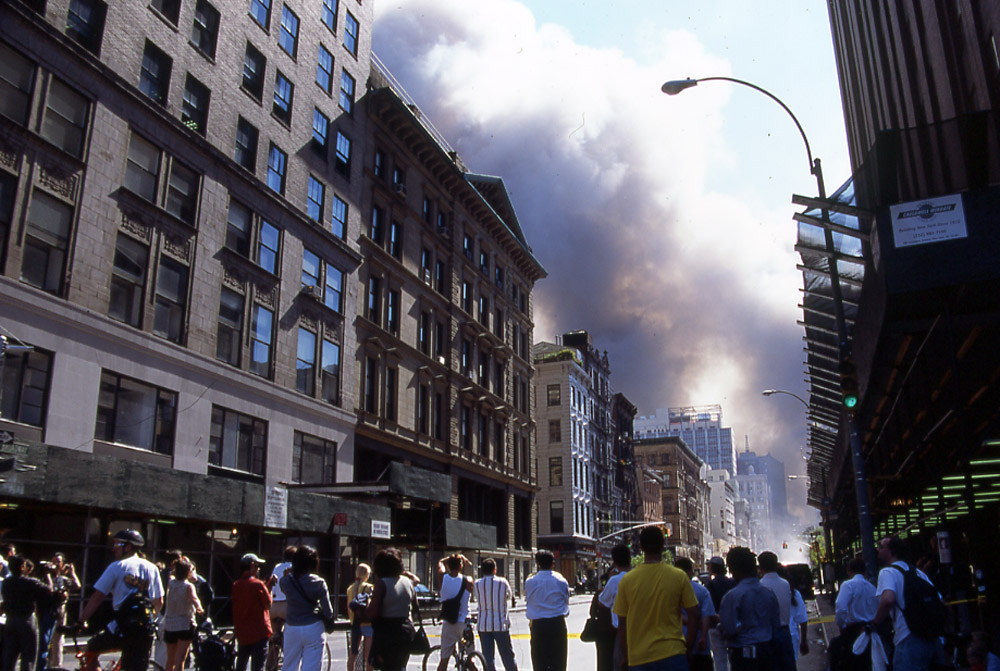
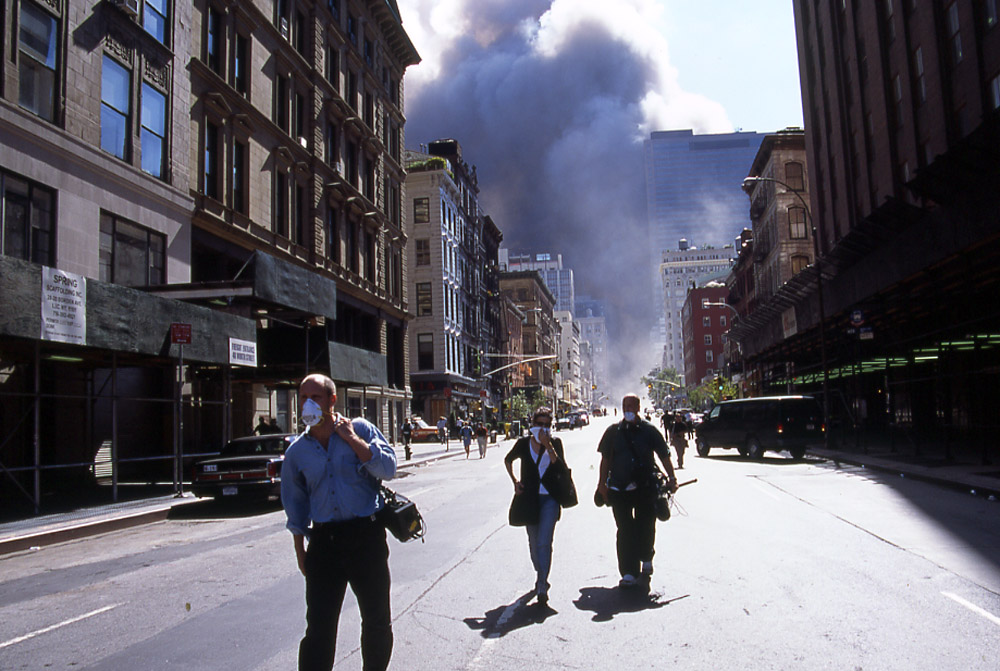
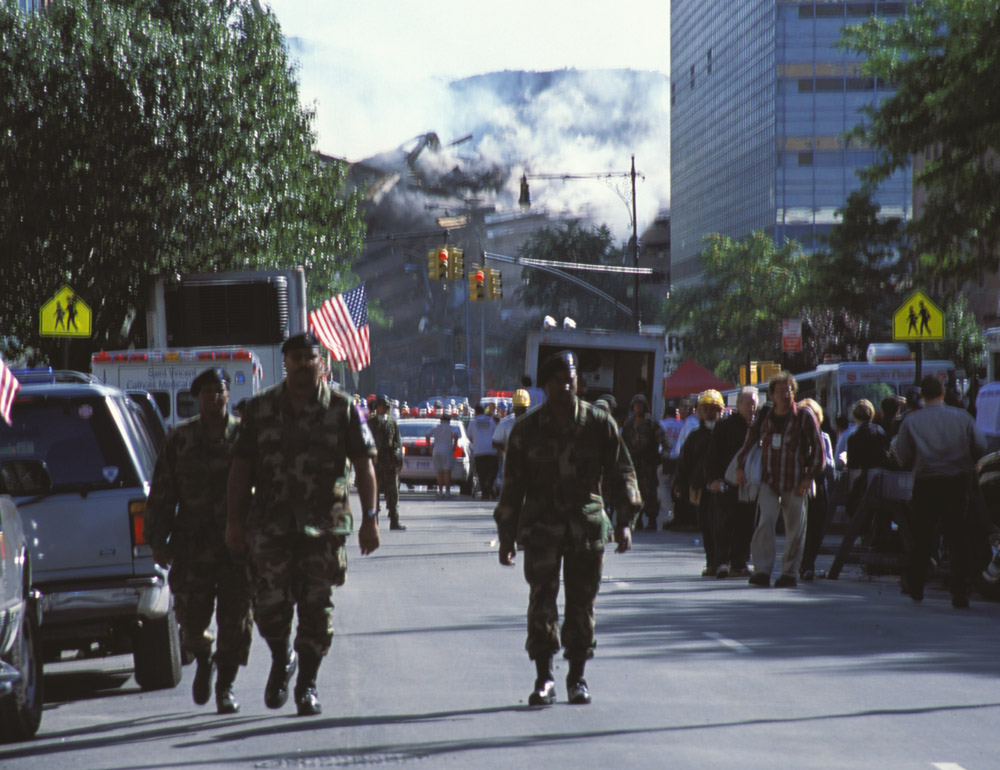
When a crisis erupts due to civil unrest, natural disaster or a major terrorist attack, a number of things happen rapidly and sometimes simultaneously. First, panic ensues as people attempt to flee the immediate scene of the disaster, usually seeking safety using the same escape routes. At the same time, police, fire and emergency medical units all attempt to respond to the scene, so there can be terrible traffic and pedestrian crowd-control problems. In the event of large civil disturbances, roads can also be clogged with protesters, troops and panicked civilians. This can be magnified by smoke and fire, which can reduce visibility, affect breathing and increase panic.
In many instances, an attack or natural disaster will cause damage to electrical lines, or the electricity will be cut off as a precautionary measure. Natural gas, water and sewer lines can be damaged, causing leaks, and in the case of natural gas lines raising the threat of explosions and fire.
Earthquakes and mudslides can cut roads and shut down mass transit. Often, people find themselves trapped in subway tunnels or in high-rise buildings, and they are sometimes forced to escape through smoke-filled tunnels or stairwells. Depending on the incident, bridges, tunnels, subway lines and airports can be closed or jammed to a standstill. Grocery stores are frequently inundated by people scrambling (and sometimes fighting) to obtain food and supplies.
In the midst of this confusion and panic, telephone and cell-phone usage soars. Even if the main trunk lines and cell towers are not damaged by the event or otherwise affected by the loss of electricity, this huge spike in activity quickly overloads the exchanges and cell networks. This means the ripples of chaos and disruption roll outward from the scene of the crisis as people outside the immediate vicinity of the crisis zone hear about the situation via the media and wonder what has become of loved ones who were in or near the crisis zone.
The Need to Plan
Those caught in close proximity to such a disaster site have the best chance of escaping and reconnecting with loved ones if they have a personal contingency plan. While such planning is critically important for people who live and work overseas in high-threat locations, recent events have demonstrated that even people residing in places considered safe, like Cairo and Tokyo, can be caught in the vortex of a crisis. Taking this one step further, sudden disasters, such as tornadoes, earthquakes, school shootings or the derailment of train cars carrying chlorine, can strike almost anywhere. This means that everyone should have a personal contingency plan.
Emergency plans are vital not only for corporations and for schools but also for families and individuals. Such plans should be in place for each regular location — home, work and school — that an individual frequents and should cover what that person will do and where he or she will go should an evacuation be necessary. This means establishing meeting points for family members who might be split up — and backup points in case the first or second point also is affected by the disaster.
When school-aged children are involved, parents need to take the time to coordinate with the school to learn what the school’s crisis plans are so any measures the school employs can be accounted for during the planning process. A crisis plan should also account for any pets a family may have.
The lack of ability to communicate with loved ones because of circuit overload or other phone-service problems can greatly enhance the sense of panic during a crisis — especially in this age, when people are so dependent on almost-constant communications via the ubiquitous smart phone.
Perhaps one of the foremost benefits of having personal and family contingency plans in place is the reduction of stress that results from not being able to contact a loved one immediately. Knowing that everyone is following the plan frees each person to concentrate on the more pressing challenges presented by their personal evacuation. This is critical because someone who waits until he or she has contacted all loved ones before evacuating might not make it out.
It also is important to have a communications plan, which should include the contact information for the designated rallying site as well as an alternate communications hub outside of the area. It might be difficult to communicate from point A to point B, but someone at point A or B might be able to get through to a person at point C. For example, it may be impossible to call from Tripoli to New York, but both parties may be able to call through to Rome.
Alternative means of communication also should be included in the communications plan. If the phone lines and cell phones are clogged, many times text messages can still get through and Internet connections may work to send e-mail. Satellite telephones, though expensive, are also very useful in a communications blackout, as are two-way radios. Analog fax lines can also prove useful when other forms of communication are shut down.
People who are going to serve as communications hubs need to be briefed on the evacuation plan and have contact information (landline and cell phone numbers, e-mail addresses, etc.) for each person who will be participating in the evacuation. The communications hub should also be provided with important personal data on each person, including full name, date of birth, passport numbers, etc. The communications plan also will be helpful in case one member of the family is unable to evacuate immediately or finds it unwise to evacuate at all. In that case, he or she will know where the rest of the family is going and how to contact them once communications are restored.
Planning is important because, when confronted with a dire situation, many people simply do not know what to do or where to start. It is not unusual to find people wandering aimlessly at the scene of a disaster. Not having determined their options in advance — and in state of shock over the events of the day — people quite often find themselves unable to think clearly enough to establish a logical plan, so they just drift around or collapse in helplessness. Having a plan in place gives even a person who is in shock or denial and unable to think clearly a framework to lean on and a path to follow.
Evacuating
One of the keys to surviving a catastrophe is situational awareness. Situational awareness allows people to recognize a potential threat at an early stage and take measures to avoid it. Situational awareness also helps people know where to go when an unforeseen disaster strikes. For example, if the airport is closed by the crisis, situational awareness enables one to understand the alternate means of leaving the country, and if a bridge is damaged on an alternative land route, you can locate another way out. Being aware of the layouts of your residence and workplace is also critical. If an office building is hit by an incident of workplace violence or catches fire, people with a plan will know where the fire exits are and where they lead. Situational awareness will then help them realize when an exit could lead them out of the frying pan and into the fire.
Situational awareness also aids in reacting to a dangerous situation while on the move. If a subway tunnel is filling with smoke from a fire or bombing, situational awareness tells one to keep low in order to avoid being overcome by smoke. Better still, proper preparation can lead people to carry important items such as a smoke hood that can be worn to protect against smoke and a flashlight to help navigate a dark place like a tunnel.
For individuals who work in high-rise buildings, frequently travel or routinely take a commuter train or subway, these two items can greatly assist you if the need to evacuate arises. Smoke hoods are relatively inexpensive devices that can be carried in a briefcase or purse and quickly donned in case of emergency. They will usually provide around 20 to 30 minutes of breathing time, which could quite literally mean the difference between life and death in a smoke-filled hallway, stairway or subway tunnel. Likewise, a small flashlight could prove to be invaluable in a crisis situation at night or when the power goes out in a large building or subway. Some of the small aluminum flashlights can also double as a handy self-defense weapon.
Of course, in some situations, evacuation might not be the best idea. If there is no immediate threat at a specific location, it may be more dangerous to join a crowd of panicked people on the street. In some cases, it might be safest to just stay in place and wait for order to return — especially if the shelter is stocked with food, water and other basic necessities. Situational awareness will allow you to make the call on whether to stay or go.
As part of a contingency plan, it is also prudent to prepare a small “fly-away” kit containing clothes, water, a first-aid kit, nutritional bars, medications and toiletry items for each member of the family. It also is a good idea to include a battery-powered or crank-powered radio and other items such as appropriate maps, multi-tool knives and duct tape. An appropriate amount of cash can also prove quite useful. The kit should be kept in a convenient place, ready to grab on the way out. Even if it is impractical to keep all these items in constant readiness, keeping most of them together and using a prepared list to collect the other items quickly can help get one out the door in seconds. Maintaining important papers, such as vehicle titles, deeds, licenses, birth certificates, passports and credit card information, in a central file allows it to be quickly retrieved in case of an evacuation. Of course, passports are of vital importance in an overseas situation.
Another important part of situational awareness is having the means to receive instructions and information from the authorities. In addition to radio and television, many locations have emergency text and e-mail alert systems that can provide critical information. Overseas, embassies also maintain networks for disseminating information to expatriates such as the U.S. Department of State’s warden system. Individuals should register for such services and ensure they know how information is disseminated before the crisis hits and results in communication disruptions.
When it comes to information pertaining to emergency plans and fly-away kits, the U.S. Federal Emergency Management Administration’s ready.gov site is an excellent resource. For people residing overseas, the U.S. Department of State’s travel information site and the Overseas Security Advisory Council are also valuable resources filled with helpful information.
Now, while it is important to listen to authorities in the case of an emergency, individuals cannot rely on the government to take care of them in every situation because the resources simply may not be available. This means that individuals must have a plan in place designed to take care of themselves and their families.
Flexibility Required
In order to be effective, an emergency plan must be fluid and flexible. It is important to recognize that even a good plan can be worthless if reactive measures taken by authorities during an emergency impede execution of the plan, or if the catastrophe itself closes down the airport or a section of a primary escape route. For these reasons, it is best to have several alternate contingency plans that account for multiple scenarios and include various routes and modes of evacuation. Once the emergency is announced, it likely is too late to start devising a back-up plan.
Plans must be also reviewed periodically, at least once a year. A plan made following 9/11 might no longer be valid. Bridges and roads included in the original plan might be closed for construction at the present time or could have been changed to a one-way traffic pattern. Communication plans may also need to be updated if family members move or change telephone numbers.
The contents of fly-away kits should be checked periodically to ensure the kits are functional. Flashlight and radio batteries can lose their charge and need to be replaced. Items such as smoke hoods can become damaged by being carried around in a purse or briefcase for too many years. Food can become stale and inedible. Medications can expire. Children can grow and require different sizes of clothing.
Finally, while having a contingency plan on paper is better than having nothing, those plans that are tested in the real world prove to be far superior to plans that are never tested. Running through an evacuation plan (especially during a high-traffic time such as rush hour) will help to identify weaknesses that will not appear on paper. It also will help ensure that all those involved know what they are supposed to do and where they are supposed to go. A plan is of limited use if half of the people it is designed for do not understand their respective roles and responsibilities.
No plan is perfect, and chances are that individuals will find themselves “shifting on the fly” as conditions on the ground change in the event of an actual emergency. However, having a plan and being prepared allows a person to be more focused and less panicked and confused than those who have left their fate to chance.
Reprinting or republication of this report on websites is authorized by prominently displaying the following sentence, including the hyperlink to STRATFOR, at the beginning or end of the report.
"Taming Chaos with a Personal Plan is republished with permission of STRATFOR."